
Household Packing Guide: Pack Your Home Before Relocation
Household Packing Guide: How to Pack Your Home Before Relocation
Packing a whole house is usually the most tiring part of any move. Between sorting cupboards, wrapping crockery and deciding what to do with the sofa, it is easy to feel that there is simply too much to handle. The good news is that a household move becomes far more manageable when you pack in a planned manner, room by room, and use the right material for each type of item.
This household packing guide explains how to pack your home before relocation, from the basic materials you will need to the mistakes that families commonly make, so that your belongings reach your new house in good condition.
Why Proper Packing Is Important During Home Shifting
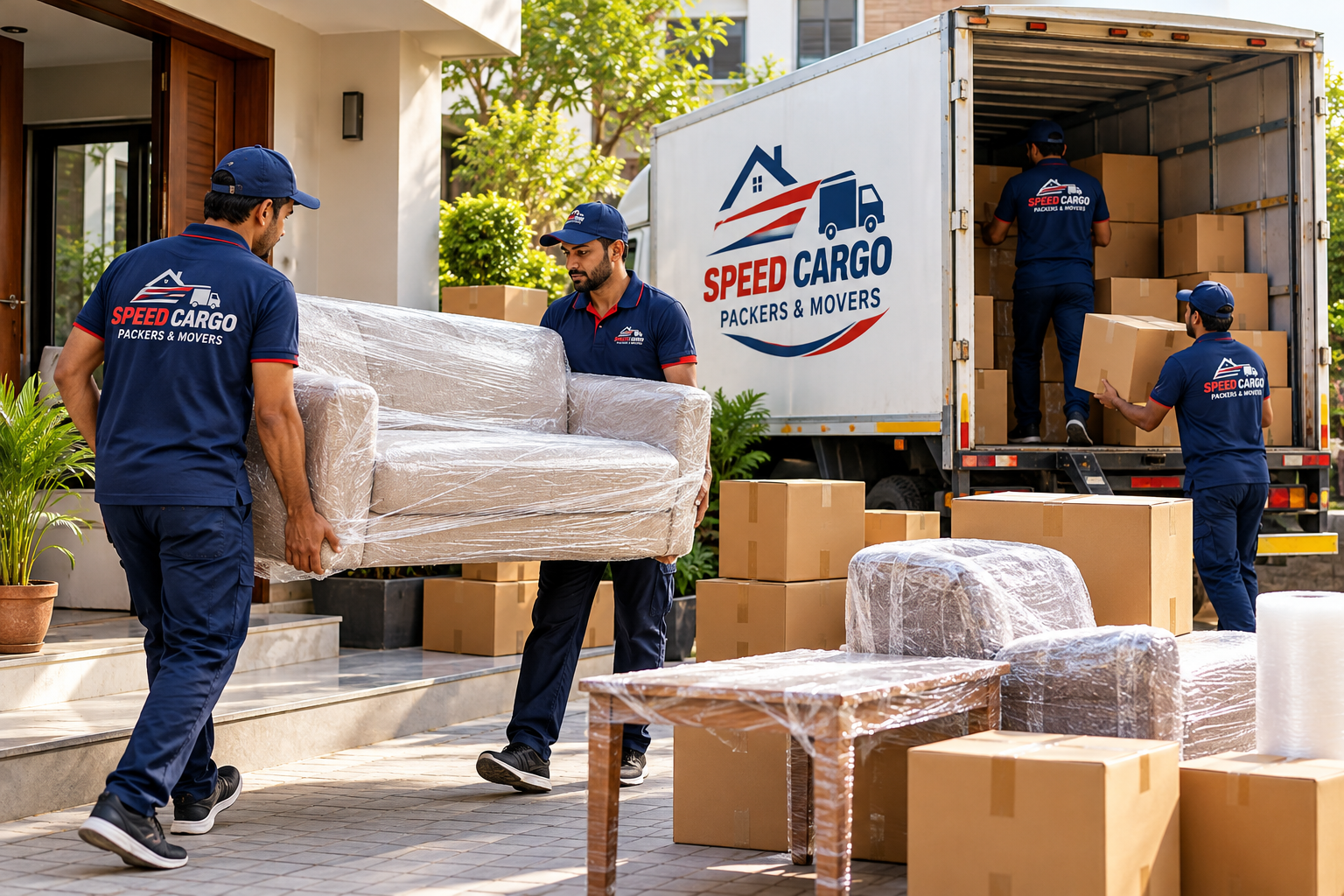
Your belongings go through a lot during a move. They are lifted, carried down staircases, loaded into a vehicle, driven over uneven roads and unloaded again at the other end. If an item is not packed properly, even a small jerk during this journey can cause a scratch, a dent or a break. Glassware can crack, wooden furniture can get scratched, and electrical appliances can be damaged when they are left unprotected.
Good packing also saves you time and stress after the move. When cartons are closed securely and labelled according to their contents, loading is easier and unloading at the new house is far more organised. You know which box has the kitchen items and which one holds the bedsheets, so you do not have to open every carton just to find a single thing. Proper packing is not about doing extra work. It is about protecting things that you have bought over the years, many of which also carry emotional value.
Essential Packing Materials for Household Goods
Before you start packing, arrange your materials in one place. Running out of tape or cartons halfway through a room is one of the most common reasons why packing gets delayed. The material you choose should depend on the type of goods you are packing, not just on what is easily available at home.
Strong corrugated cartons are the base of any household move. They are suitable for clothes, books, utensils and other smaller articles. Bubble wrap and foam sheets are meant for delicate goods such as crockery, glassware, mirrors and decorative pieces. Packing tape keeps the cartons closed properly, while stretch film helps protect furniture and mattresses from dust and scratches. A marker pen is also important, because clear labelling on each carton makes the unloading process much simpler.
For bulkier or more specific items, there are dedicated solutions as well. Wardrobe cartons are made for hanging garments, and protective cartons with cushioning are used for televisions and other electronic screens. If you are hiring professional packers and movers, such as Speed Cargo Movers, the packing material is chosen according to the type of goods being moved, so you do not have to arrange everything on your own.
How to Pack Kitchen Items
The kitchen takes the longest to pack because it contains so many small, breakable and unevenly shaped items. It is a good idea to start with things you use rarely, such as extra serving dishes, festival-time utensils and spare appliances, and keep the daily-use items for the last day.
Steel utensils and pans can be packed in sturdy cartons, with the heavier items at the bottom and lighter ones on top. Glassware, plates, cups and other crockery need separate protection. Wrap each piece individually in bubble wrap or foam sheet, and place plates upright rather than flat, because they handle pressure better in that position. Any empty space inside the carton should be filled with soft material so that the items do not shift and knock against each other during transit.
Spices, oils and other food items need extra care. Make sure all lids are tightly closed and place bottles inside a carton separately from dry goods. It also helps to use this time to throw away expired items and anything you will not use, because there is little sense in paying to move things that are not needed. Keep a small kitchen box ready with a few plates, glasses, tea-making items and basic cooking utensils so that you can manage on the first day in the new house.
How to Pack Clothes and Personal Belongings
Clothes are easier to pack than most other items, but they still need a little planning. Begin by separating the clothes you wear regularly from seasonal ones, and also from those that you no longer use. Donating or giving away unused clothes before the move reduces the number of cartons and makes your unpacking lighter as well.
Folded clothes can go into strong cartons, with heavier items such as jeans and blankets at the bottom. For sarees, suits, jackets and other garments that crease easily, wardrobe cartons are a convenient option, as they allow clothes to stay on their hangers and remain protected from dust and dirt. Shoes should be wrapped separately and packed in a carton, away from light-coloured clothes.
Personal belongings need a different approach. Important documents, passports, property papers, jewellery, cash, medicines and school or office files should not be packed with the general goods. Keep them in a separate bag or small box that stays with you throughout the journey. These are the things that are hardest to replace, and it is far better to keep them within your own sight than to look for them in a loaded vehicle.
How to Pack Furniture and Large Items
Furniture is heavy, and it is also the part of the household that is most likely to get scratched or damaged. Start by emptying cupboards, drawers and storage beds, since empty furniture is easier to lift and carry. Clothes, loose articles, documents and valuables should be taken out before the furniture is moved.
Large items such as beds, tables and wardrobes may sometimes need to be dismantled before shifting, depending on their size and the space available at both properties. If you do dismantle anything, keep the screws, bolts and small fittings together in a labelled bag and attach it to the furniture itself, so that it can be assembled again without any confusion. Wooden surfaces and polished finishes can be protected with blankets, foam sheets and stretch film, which help prevent scratches and surface damage. Mattresses and sofas also benefit from stretch film, as it protects them from dust during transportation.
It is equally important to think about the route. Narrow staircases, small doorways and lifts with limited space can make it difficult to carry large furniture. Measuring the bigger pieces and the doorways beforehand will help you avoid last-minute problems on moving day.
How to Pack Electronic Appliances
Electronic and electrical appliances are expensive and delicate, so they should never be packed in a hurry. If you still have the original boxes of your television, microwave or other appliances, they are the best option for repacking, as they were designed to hold the product securely. Otherwise, use sturdy cartons with sufficient cushioning.
Televisions, LED and LCD screens need special attention, because the screen is easily damaged by pressure. Protective cartons and cushioning materials designed for this purpose help safeguard them during shifting. Do not place anything heavy on top of a screen or stack it carelessly with other goods.
Before packing a refrigerator or washing machine, make sure it is completely empty, clean and dry. Secure loose parts such as trays, shelves and cables, and keep the cables of each appliance together in a labelled bag. Taking a quick photograph of how wires are connected behind your television or music system can also save time when you set everything up again.
How to Pack Books and Decorative Items
Books look light but become surprisingly heavy when packed together, so it is better to use smaller cartons for them. Place the books flat or upright, whichever fits better, and fill the gaps so that they do not move around. Avoid overloading a single carton, because a box that is too heavy becomes difficult to lift and can tear at the bottom.
Decorative items such as showpieces, photo frames, mirrors, paintings and glass articles are often fragile and also have sentimental value. Wrap each piece separately in bubble wrap or foam sheet, and place the larger and heavier ones at the bottom of the carton. Frames and mirrors are better packed upright with proper cushioning on both sides. Mark such cartons clearly as fragile so that everyone who handles them knows that they need extra care.
Room-Wise Packing Tips
Packing one room at a time is the easiest way to keep the whole process organised. It stops you from jumping between rooms, and it makes labelling and unpacking far more straightforward.
Living Room
Start with decorative items, books and showpieces, and leave the sofa and television for the end. Pack small articles and fragile decor in cartons, protect the sofa with stretch film and handle the television with its own cushioning. The living room is usually the first space guests see, so it is good to unpack it early in the new house as well.
Bedrooms
Pack off-season clothes first and keep a bag of daily-use clothes aside. Bedsheets, pillows and blankets can go into cartons, while mattresses can be wrapped with stretch film. Keep jewellery, cash and important papers with you rather than in the general cartons.
Kitchen and Dining Area
As explained earlier, pack rarely used items first and leave the essentials for the last day. Wrap crockery and glassware individually and keep a small box ready for the first day in your new home.
Children’s Room
Sort toys, books and school material so that you can pack only what is still being used. Keep a few favourite toys and a school bag within easy reach, because familiar things help children settle into the new house faster.
Bathroom and Storage Areas
Close all bottles tightly, place them in a separate carton and keep them away from clothes and paper goods. Items from the store room, balcony or terrace, such as tools, buckets and garden articles, should be cleaned and packed separately from household cartons.
Common Packing Mistakes to Avoid
One of the most common mistakes is starting too late. When packing is left for the last two days, people tend to throw everything into boxes without thought, and that is exactly when things get broken or lost. It is better to start sorting a few days earlier and give yourself enough time to pack each room carefully.
Another mistake is overloading cartons. A heavy box is difficult to carry, it can tear, and the items inside may get damaged. Pack heavy things in small cartons and lighter things in bigger ones. Mixing items from different rooms in a single box is also a problem, because it makes unpacking confusing. Using weak or old cartons, skipping labels, leaving empty space inside boxes and ignoring fragile items are other errors that are easy to avoid with a little planning.
Many families also forget to separate valuables and important documents from the rest of the goods, or fail to tell the moving company about heavy furniture, fragile items and access difficulties at the property. Sharing these details early helps the team plan the vehicle, the packing material and the manpower properly. Know More: Mohali Movers and Packers
Frequently Asked Questions
How early should I start packing before relocation?
It is better to start sorting your household goods a few days before the move. Begin with items you do not use daily, such as off-season clothes, books and decorative pieces, and pack everyday items on the last day. Starting early gives you time to pack carefully and to remove things that you no longer need.
Should I empty my cupboards before shifting?
Yes, it is better to remove clothes, loose articles, documents and valuables before cupboards are moved. Empty furniture is generally easier to carry and handle, and there is less risk of damage to both the furniture and its contents.
How are kitchen utensils and glass items packed?
Utensils are packed in suitable cartons, while glassware and crockery are wrapped separately with protective material such as bubble wrap or foam sheet. Empty spaces inside the cartons should be filled so that the items do not move during transportation.
Can I shift only a bed, sofa or refrigerator?
Yes, you can ask for the shifting of selected household goods. The charges depend on the number and size of the items, the distance, and the packing and transport required.
Does the shifting price include packing and unloading?
This depends on the agreed service. Before accepting an estimate, check whether packing materials, labour, loading, transportation and unloading are included in the quoted amount.
Planning Your Household Shifting with Speed Cargo Movers
If you would rather not handle the entire packing yourself, Speed Cargo Movers in Mohali provides household shifting services that cover packing, loading, transportation and unloading at the new address. The company is based in Chandigarh and offers its packers and movers services for Mohali as well, and it works with the packing materials described in this guide, including corrugated cartons, bubble wrap, foam sheets, stretch film and wardrobe cartons, depending on the type of goods. To discuss your requirements and get a quotation based on your actual inventory and destination, you can contact the team through the website at speedcargomovers.in.